
Stove Depot and Chimney Works: Chimney Inspection Services in Montrose CO
At Stove Depot and Chimney Works, our goal is to help Montrose homeowners keep their fireplaces and chimneys functioning as safely and as efficiently as possible. A professional chimney inspection is the first step toward catching hidden damage, creosote buildup, or structural weaknesses before they turn into costly repairs. Whether you rely on a wood stove through the colder months or enjoy occasional fires on quiet evenings, our team is here to make sure your system is ready for the season.
What Does a Chimney Inspection Include?
A chimney inspection is much more than a quick glance with a flashlight. When our team performs an inspection, we take a comprehensive, methodical approach. We evaluate all accessible components and look for anything that might undermine performance or long-term durability.
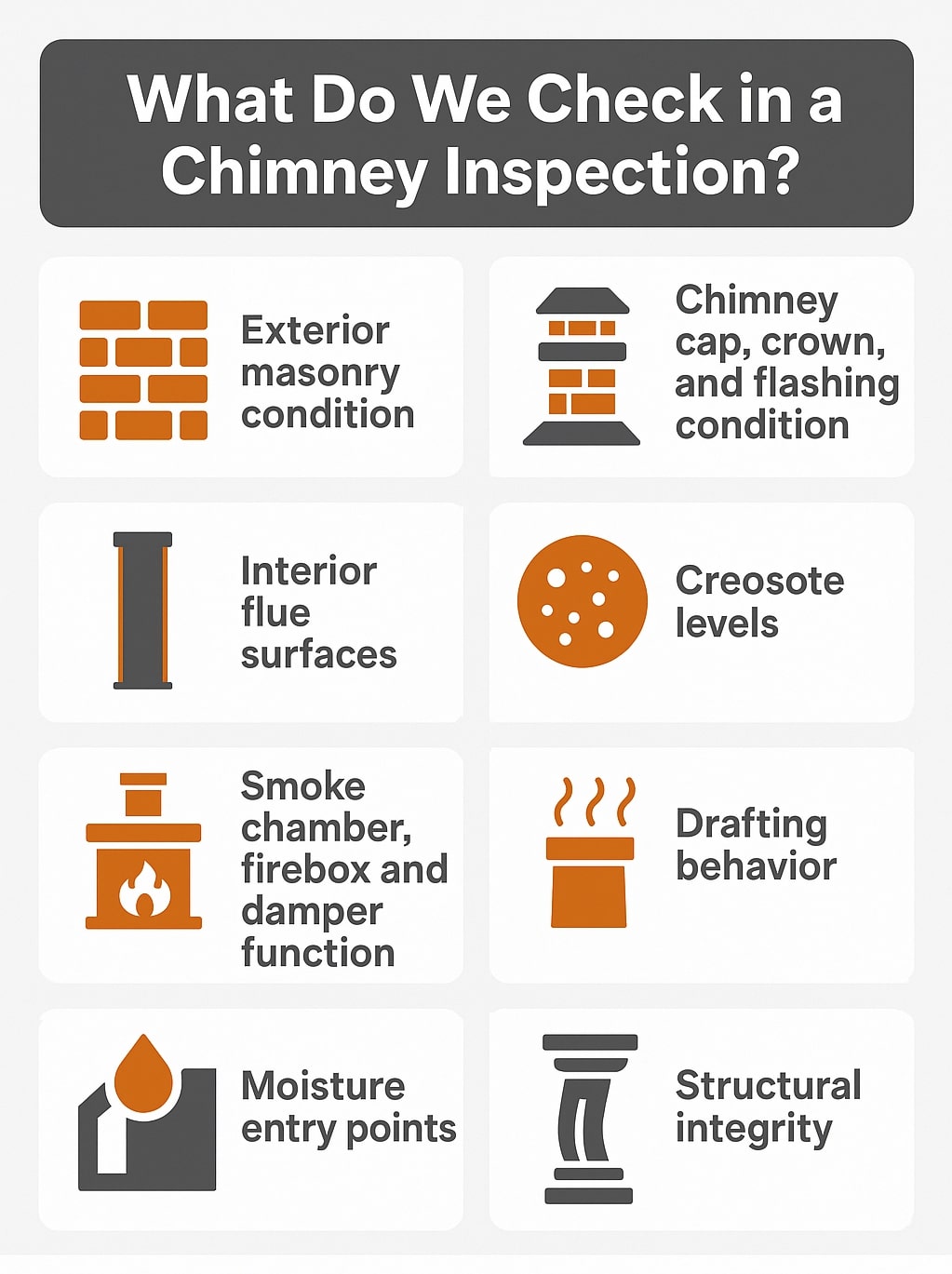
Here are some of the core checks we complete:
- Exterior masonry condition, including mortar joints, loose bricks, spalling, and cracks
- Chimney cap, crown, and flashing condition
- Interior flue surfaces, creosote levels, and any signs of liner deterioration
- Smoke chamber, firebox, and damper function
- Drafting behavior and potential obstruction sources, such as nests, leaves, or heavy creosote
- Moisture entry points and staining that hint at water intrusion
- Structural integrity, including leaning, shifting, or early stability concerns
We also address unique homeowner concerns that can affect chimneys over time. For example:
- How do chimneys hold up during high-wind storms or strong gusts in open mountain regions?
- Do seismic tremors common to Colorado’s Western Slope loosen mortar joints enough to create flue gaps?
- Can a single missed annual inspection allow enough creosote to ignite a chimney fire the following season?
- What happens if you light a fire when the flue is still damp after heavy rain or snowmelt?
By combining visual evaluation with industry-standard tools and chimney-camera diagnostics, we locate early warning signs and help you plan repairs or maintenance that protect your home.
Montrose CO: A Warm, Scenic Community We’re Proud to Serve
Montrose is one of those Colorado towns that truly has it all. With a charming downtown, friendly neighborhoods, and some of the most remarkable outdoor access in the state, it’s no surprise people love calling it home. Residents enjoy proximity to Black Canyon of the Gunnison National Park, the Montrose Water Sports Park, hiking and biking along the Uncompahgre River, and year-round events that bring the community together. Its mix of historic homes and modern builds means chimney systems vary widely, and we’re proud to help homeowners throughout the area keep their fireplaces ready for crisp fall evenings and snowy winter nights.
How Do I Know If My Chimney Has Hidden Damage?
Hidden chimney damage is much more common than most homeowners realize because so much of the system is concealed behind walls or deep inside the flue. That’s why our inspections are so important: they uncover issues long before they become hazards.
Hidden damage often starts with small cracks or moisture intrusion. Mortar joints can weaken due to freeze thaw cycles, especially in Montrose where winter temperatures fluctuate. Once water enters, it expands when frozen and worsens the gaps. Over time these cracks can create pathways for heat transfer, smoke leakage, or flue gases entering areas they shouldn’t.
Windstorms, seismic tremors, and settling can also contribute. Even slight ground movement can shift masonry enough to create unseen stress points. This sometimes shows up as hairline fractures in the liner or subtle leaning you might not notice from the ground.
Creosote is another factor. If you burn wood regularly, creosote can build quickly. A single missed annual inspection can allow enough buildup to create higher fire risk the following season. Creosote also expands and contracts with heat which can worsen minor defects and hide deeper structural problems.
Nearby construction or landscaping changes can also affect draft. If a neighbor builds an addition or tall roofline near your home, it can create turbulence around your chimney. Even mature trees that have grown taller over the years can affect airflow and produce drafting inconsistencies that mask underlying issues.
During an inspection, we look for:
- Microscopic cracks detected via specialized cameras
- Warping or corrosion in metal liners
- Moisture staining that suggests hidden leaks
- Areas where mortar has shrunk or separated
- Blockages caused by leaves, pollen accumulation, or animal activity
By catching these issues early, we help you avoid unexpected repairs or dangerous conditions during fireplace use.
What Should Homeowners Do After Heavy Rain, Snowmelt, or Flooding?
Colorado weather can shift fast. Heavy snowfall, spring runoff, and sudden rainstorms can leave your chimney damp inside even if there’s no active leak in the structure. Before using your fireplace after significant moisture events, there are a few steps we encourage homeowners to take.
Moisture absorbs into masonry, and a damp flue can affect draft and increase the risk of smoke backing up into the home. Lighting a fire while the chimney is still wet can also accelerate cracking or deterioration. Soot deposits may mix with moisture and form acidic compounds that eat away at the liner.
If your home experiences flooding or excessive runoff, water can seep into the base of the chimney or through any small masonry weaknesses. Standing water or saturated brickwork can weaken the structure over time. In rare cases this may contribute to shifting, leaning, or early signs of masonry instability.
After heavy weather we recommend:
- Checking for obvious moisture inside the firebox
- Inspecting ceilings or walls near the chimney for new stains
- Ensuring the cap and flashing are intact
- Watching for slow draft or smoke roll-out
- Scheduling a quick inspection if anything feels off
Even seasonal pollen or leaf debris can create blockages after storms. This is especially true in spring and fall when airflow is already changing. An inspection ensures the system dries properly, drafts well, and is ready for regular use again.
Can Freeze Thaw Cycles Affect My Chimney’s Stability?
Montrose winters bring plenty of cold nights followed by sunny days which creates ideal conditions for freeze thaw deterioration. When moisture enters masonry, it expands as it freezes. This expansion pushes against the surrounding brick or mortar. Once temperatures rise, the water contracts again. Over time these cycles can weaken the structure.
Not all damage is immediately visible. Sometimes the exterior looks fine but the interior flue tiles crack or separate. Old unlined chimneys are especially prone to hidden deterioration because there’s no modern liner to protect the brickwork from temperature extremes.
Even metal liners can corrode or warp when repeatedly exposed to moisture. This can create gaps that allow smoke or heat to enter the chimney walls instead of channeling safely upward.
During an inspection we look for:
- Mortar erosion or crumbling
- Spalling bricks
- Early signs of leaning or shift
- Cracks inside the flue not visible from the outside
- Water staining that suggests repeated freezing cycles
Cold-weather deterioration can escalate surprisingly quickly. Crumbling mortar can compromise stability in just a season if freeze thaw cycles are severe. That’s why proactive inspections help keep your system functioning as safely and as reliably as possible.
How Can I Tell If My Chimney Is at Risk of Partial Collapse?
While full collapse is rare, partial collapse or falling bricks can occur when structural issues go unnoticed. The earliest clues are often subtle. A slight lean, a hairline crack in the crown, or bricks that feel hollow when tapped can all signal deeper problems.
What accelerates collapse risk?
- Unrepaired water damage
- Seasonal freeze thaw cycles
- Long-term settling of the home’s foundation
- High winds that push against weakened masonry
- Earth vibrations or minor earthquake activity
- Heavy creosote creating hot spots in deteriorated flues
We recommend contacting us immediately if you notice:
- A chimney that appears to lean more over time
- Cracks that widen with temperature changes
- Loose bricks or crumbling mortar
- Persistent moisture inside the chimney
- Drafting issues that appear suddenly without clear cause
Using chimney cameras, moisture meters, and structural evaluation techniques, we can determine how advanced the damage is and recommend repairs that restore stability.
Does the Type of Fuel I Burn Change My Chimney Inspection Needs?
Absolutely. Wood, gas, and pellet systems all produce different byproducts which influence how often we recommend inspections.
Wood produces creosote that accumulates more quickly with unseasoned firewood, low burn temperatures, or restricted airflow. Pellets burn cleaner but still produce fine ash that can collect in elbows, joints, or flue passages. Gas systems create moisture and acidic vapors that can corrode metal liners or weaken masonry over time. Even though gas appears cleaner, inspections are still necessary because gas appliances can hide problems like back drafting, condensation buildup, and gradual liner decay.
Nearby construction can also affect draft years after the home was built. Taller structures, new rooflines, or growing trees can redirect airflow and cause subtle changes in how your fireplace vents.
During inspections we tailor our evaluation to your specific fuel type, usage habits, and system design. That ensures you get the most accurate picture of your chimney’s condition.
Schedule Your Chimney Inspection in Montrose CO
At Stove Depot and Chimney Works, we take pride in helping Montrose homeowners care for their fireplaces with proactive maintenance, detailed inspections, and trustworthy guidance. If your chimney hasn’t been inspected this year or you’ve noticed changes in performance, we’re here to help. Contact us today to schedule your chimney inspection and keep your home ready for warm, comfortable fires all season long.